We are called victim-survivors because the sad reality is that not every child survives their abuse. Sometimes victims are murdered as a result of the assaults, but more often they suffer self-harm and addictions in later life which lead to suicide or other forms of premature death.
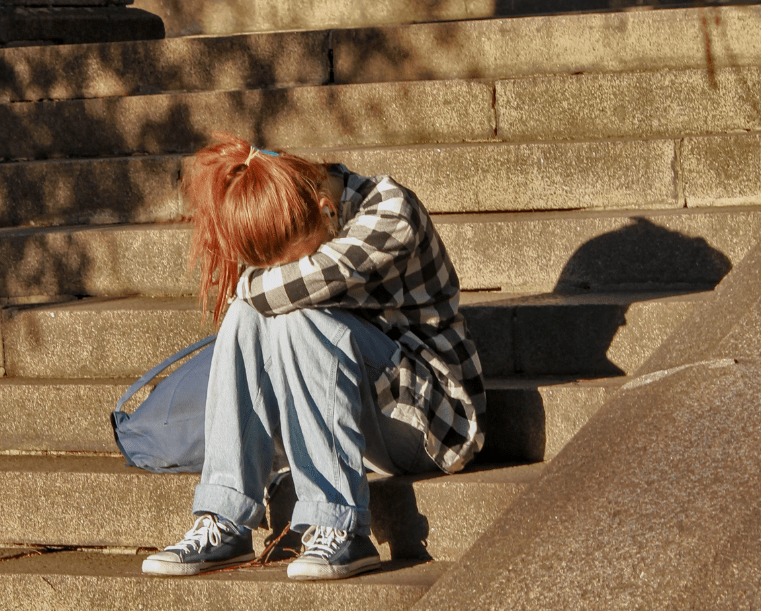
Characteristically victim-survivors are stigmatised. They:
- Are generally disbelieved
- Feel shame and embarrassment
- Are often pressed to remain silent by family members and others
- Are blamed for somehow inviting their abuse
- Suffer lifelong harms – self harm, addictions, criminalisation
- Are re-traumatised as a result of criticism post-disclosure
- Often take decades to disclose (particularly men)
- Have their motives questioned e.g. labelled attention seekers/ gold diggers/ fantasists/ being selfish!
While victims tend to share attributes that render them targets for groups of paedophiles, each will have a different experience. Some report the protective effect of having a supportive family, while others feel their abuse was compounded by home circumstances that added to their trauma. Children in out-of-home care were and continue to be those most vulnerable to abuse and will likely experience the worst outcomes in later life.
Importantly as a community we need to acknowledge the ‘ripple effect’ that sees people beyond the victims impacted. CSA incurs an immeasurable emotional load on a family, and a wider community, especially where there is pressure to remain silent.
Conversation starters?
- You will most likely know of someone who has been impacted by CSA. How might you support them?
- If you have been personally impacted, would you consider seeking support from Sexual Assault Support Services like Laurel House?
 Truthing Tasmania